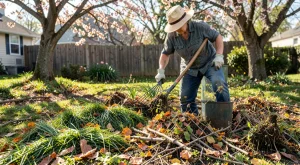

If you've recently tackled your yard and removed some overgrown branches, fallen leaves, or maybe even an ancient shrub that had seen better days, you may be wondering: where on earth do I take all this yard waste? You're not alone! Many homeowners find themselves in this leafy dilemma. The good news is that there are several options available for proper disposal or recycling of yard waste. Let’s dig in!
Understanding Yard Waste
Before we dive into where to take yard waste, it's essential to understand what qualifies as yard waste. Generally, yard waste includes organic materials that come from your garden and landscaping efforts. This can encompass:
- Grass clippings
- Leaves
- Branches and twigs
- Weeds
- Flowers and plant trimmings
In many places, yard waste is a significant component of municipal waste. By properly disposing of it, you can contribute to environmental conservation and possibly even turn that yard waste into something useful.
Municipal Yard Waste Collection
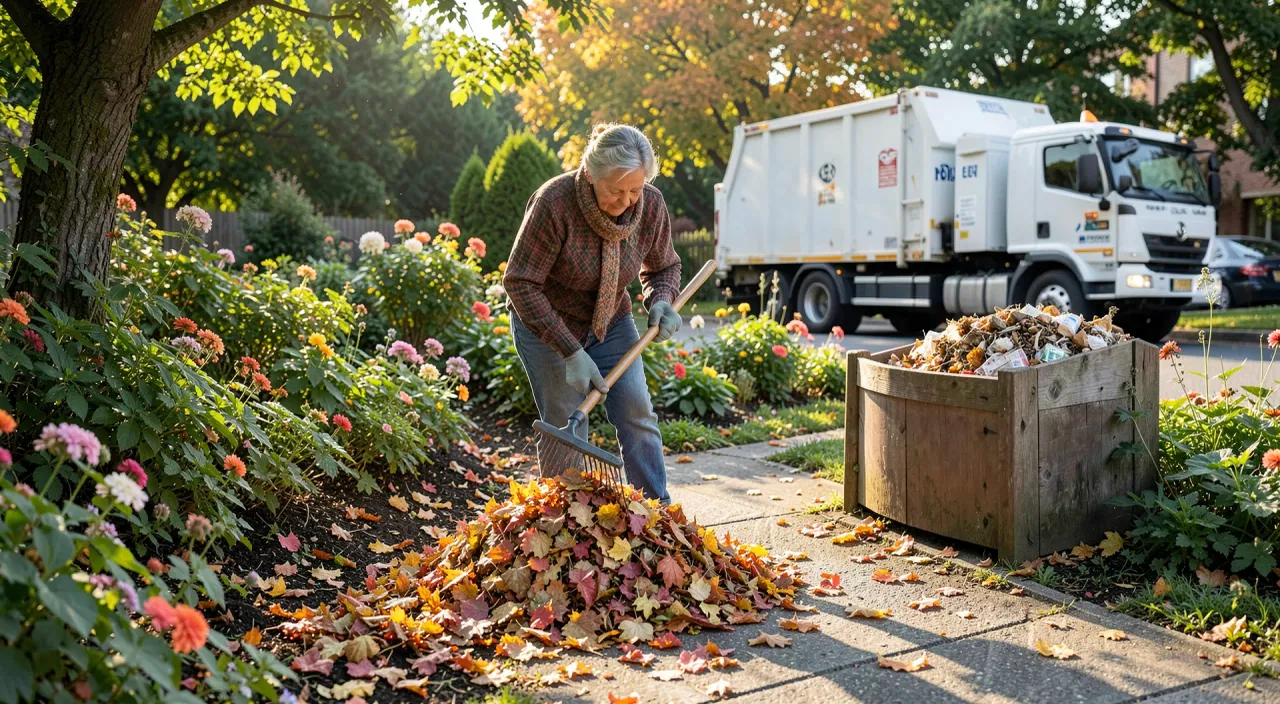
One of the most straightforward ways to dispose of yard waste is to utilize your local municipal collection services.
How It Works
Many cities and towns offer special yard waste collection days, typically on a weekly or bi-weekly basis. Here’s what you need to know:
- Check Local Regulations: Every municipality has different rules regarding yard waste collection. Some may require you to place your waste in specific bags or containers.
- Composting Services: Some areas even provide composting services, where your yard waste is collected and turned into nutrient-rich compost.
- Scheduled Pickup: Be sure to check your local waste management schedule. You don't want to be the person left with a smelly pile of leaves sitting in your driveway for weeks!
Anecdote
I once tried to sneak in a huge pile of leaves on the wrong collection day. Let's just say, my neighbors are now fully aware of my leaf removal habits. Lesson learned: always check the schedule!
Composting Your Yard Waste
Composting is a fantastic way to recycle yard waste and enrich your garden at the same time.
Benefits of Composting
- Environmental Impact: Composting reduces the amount of waste in landfills and lowers greenhouse gas emissions.
- Soil Enrichment: The compost created from your yard waste can improve soil health, structure, and fertility.
- Cost-Effective: Instead of buying expensive fertilizers, you can create your own right in your backyard!
Getting Started
- Choose a Compost Bin: You can buy a compost bin or make your own using pallets or wire fencing.
- Layer Your Materials: Alternate between green materials (grass clippings, kitchen scraps) and brown materials (dry leaves, branches).
- Aerate Regularly: Turn your compost every few weeks to speed up decomposition.
- Know When It’s Ready: Finished compost should be dark, crumbly, and earthy-smelling.
If you’re unsure whether your compost is ready, just remember: if your plants start giving you the side-eye, it’s probably time to stop adding to the pile!
Yard Waste Drop-Off Locations
For those who prefer a more hands-on approach, many communities have designated drop-off sites for yard waste.
Finding a Drop-Off Site
- Search Online: Most municipalities list drop-off locations on their official websites. A quick search can save you a trip across town.
- Community Events: Some local governments hold community clean-up days where you can drop off your yard waste and even gather tips from gardening experts.
What to Expect
- Hours of Operation: These sites may have specific hours, so be sure to check before loading up your car.
- Material Restrictions: Not all sites accept the same materials. Make sure to verify what you can and cannot drop off.
Recycling Centers
Some recycling centers also accept yard waste, turning it into mulch or compost for public use.
Benefits of Using Recycling Centers
- Convenience: These centers often have flexible hours and are typically located near residential areas.
- Sustainable Practices: By recycling your yard waste, you’re contributing to a more sustainable community.
How to Locate a Recycling Center
- Local Listings: Check your local yellow pages or online directories to find recycling centers that accept yard waste.
- Community Boards: Often, local community boards or social media groups can provide recommendations.
Hiring a Professional Service
If the thought of hauling away all that yard waste sounds about as appealing as running a marathon, hiring a professional service might be your best bet.
Benefits of Professional Services
- Save Time and Effort: You can sit back and enjoy a cup of coffee while the professionals handle the heavy lifting.
- Expertise: Many of these services will ensure that your yard waste is disposed of in an environmentally-friendly way, often recycling materials when possible.
Considerations
- Cost: Professional services can vary in price, so it’s wise to get quotes from a few different companies.
- Reputation: Don’t forget to check reviews. You want a service that is reliable and environmentally conscious, not just the cheapest option.
Making Your Selection Count
Now that you know where to take yard waste after removal, you can confidently rid your yard of those pesky leaves and branches without guilt. Whether you choose municipal collection, composting, drop-off locations, recycling centers, or professional services, you’re making a positive impact on the environment.
So, as you embark on your yard-cleaning adventures, remember: while it may seem like a chore, it's an opportunity to contribute to a greener planet. And who knows? You might end up with the best compost in the neighborhood, making your plants bloom like never before. Happy gardening!